A Night When Everyone's Bottles Pointed Toward Marlborough
At the New Zealand wine gathering on June 5, everyone opened a bottle they had chosen themselves. No one had planned a fixed theme, but the table naturally leaned toward Marlborough, and moving back and forth between Pinot Noir and Sauvignon Blanc made the differences in aroma and acidity easy to notice.
The previous New Zealand meeting followed a prepared lineup. This time, the bottles came from the people around the table. That made the evening feel looser: we could say which glass tasted better, how the aromas changed with time, and what felt sharper or softer without trying to sound expert.
Moving Between White and Red
The most surprising part was that the bottles mostly gathered around Marlborough without anyone coordinating it. The grapes also split naturally between Pinot Noir and Sauvignon Blanc, which made it easy to compare white-wine acidity with red-wine aroma and tannin.
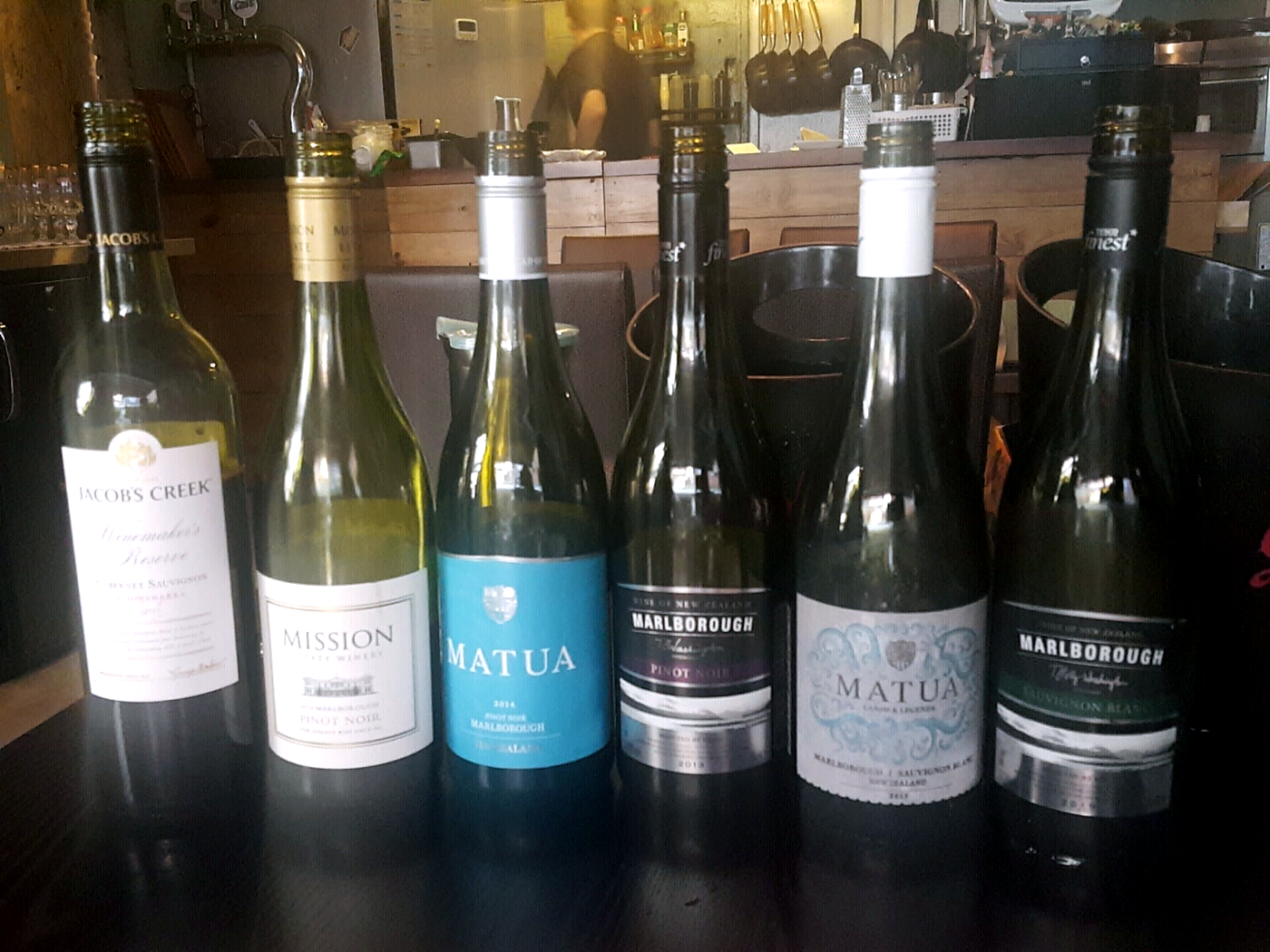
The six bottles in the photo carry the feeling of the evening well. We started with Marlborough Sauvignon Blanc, compared Pinot Noir, and later moved toward Mission Estate and Jacob's Creek. Because there were six bottles, the tasting did not stay in one lane; acidity, fruit, aroma, and weight kept shifting from glass to glass.
The First Glass From Tesco Finest
The first Tesco Finest Marlborough glass opened with fruit aromas, followed by a slightly oily texture. It was clean, but the finish lasted longer than expected, so it made a clear first impression.
Acidity And Aroma Through Matua
With Matua, the color looked deeper from the start. The aroma stayed around, the texture also felt a little oily, and the acidity was high without becoming too tannic, giving us plenty to compare early in the tasting.
Matua Marlborough Sauvignon Blanc brought the tasting back to acidity and a clearer impression. Alternating between Pinot Noir and Sauvignon Blanc from the same region made the shape of each aroma feel more distinct.
In the middle of the tasting, there was a wine with tartness, a little grip, a clean feel, and generous fruit. What began as an acidity-focused comparison opened into a broader conversation about fruit aroma and texture.
Pinot Noir Opening With Time
The Marlborough Pinot Noir first felt aromatic but not especially distinctive, with a bitter edge. After some time in the glass, though, the aroma grew stronger, the remaining tannin felt more acceptable, and the wine became better as it gained weight.
Mission Estate Made The Later Glasses Clearer
When we returned to Matua, the aroma felt good and the tannin seemed softer than the earlier Marlborough Pinot Noir. By this point, the tasting had moved beyond color, and the differences in aroma and texture stood out more clearly.
Mission Estate Winery felt more aromatic and drier. The acidity was high, but the impression stayed clear, showing that Pinot Noir could feel vivid rather than simply heavy.
A Heavier Finish With Jacob's Creek
The final bottle was Jacob's Creek. The label showed Winemaker's Reserve Cabernet Sauvignon, and the taste was clearly darker and more tannic. It also had stronger tartness and more weight, closing the evening with a different kind of structure from the Marlborough wines before it.
In the end, what made the day enjoyable was not whether anyone guessed correctly. Everyone brought a bottle independently, the wines happened to gather in a similar direction, and the table became a place to notice aroma, acidity, and tannin in different ways.
Why The Next Gathering Already Felt Close
Because most of us were still beginners, the conversation felt comfortable. We could simply say that something smelled good, felt high in acidity, or seemed less tannic. That kind of conversation made the next gathering feel worth waiting for. A day that accidentally gathered around Marlborough reminded us that learning wine can be enjoyable because of the process itself.